Pastel Goth Seamless Digital Paper: A Practical Guide for Creators and Designers
If you're exploring digital design tools or looking to elevate your creative projects, you might have come across the term Pastel Goth Seamless Digital Paper. This unique resource offers a blend of soft pastel hues and gothic-inspired distressed effects, making it ideal for a wide range of artistic applications. Whether you're designing custom stickers, T-shirts, scrapbooks, or wall art, understanding how to choose, use, and maximize this product can make all the difference in achieving professional results.
What is Pastel Goth Seamless Digital Paper?
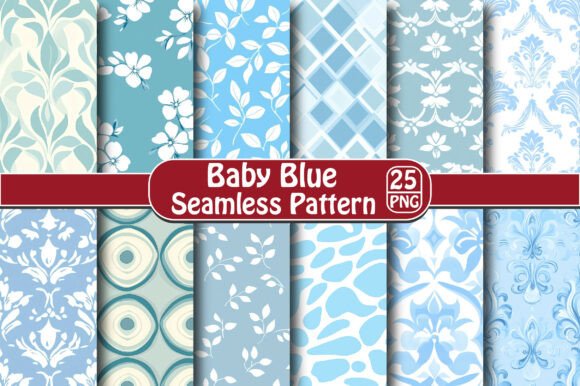
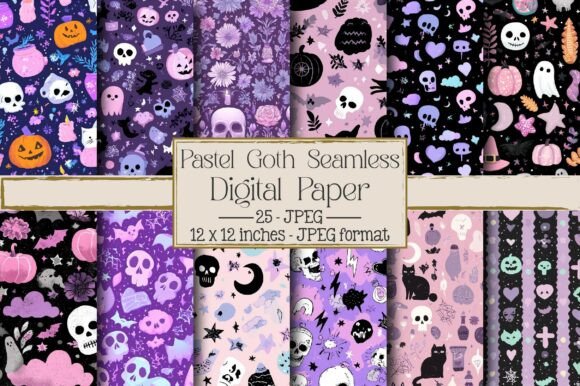
Pastel Goth Seamless Digital Paper is a digital design file that combines two contrasting yet complementary aesthetics: the gentle, dreamy tones of pastels and the edgy, weathered look of gothic styles. These designs are typically created as seamless patterns, meaning they can be tiled without visible seams, offering endless customization possibilities.
The product usually includes 25 JPEG files, each with a resolution of 300 dpi and dimensions of 12×12 inches. The transparent background ensures flexibility when applying these designs to various surfaces and allows for easy resizing using graphic design software like Photoshop, Illustrator, Canva, or GIMP.
Why People Are Choosing It
Designers and creators are increasingly turning to Pastel Goth Seamless Digital Paper because of its ability to add depth and character to otherwise plain backgrounds. Its aesthetic versatility makes it suitable for both personal and commercial use, from handmade cards to printed merchandise. Additionally, since it's a digital instant download, users can start working on their projects right away without waiting for physical products to arrive.
Common Mistakes When Using Pastel Goth Seamless Digital Paper
While this product is incredibly useful, there are several common pitfalls that users may encounter:
- Not Checking Printer Compatibility: Many people overlook the fact that colors may appear differently depending on the printer and paper used. Always test print a small sample before committing to large-scale printing.
- Ignoring File Format Needs: Though JPEG files are widely compatible, some projects require other formats such as PNG or SVG. Make sure the software you’re using supports the provided format.
- Assuming One Size Fits All: While the 12×12 inch size is versatile, it’s not always the best fit. Resizing improperly can lead to pixelation or loss of detail. Use vector-based software or high-quality scaling techniques to maintain clarity.
- Misunderstanding "Seamless": Not every pattern truly tiles seamlessly at different scales. Always preview the tiling effect in your design tool before finalizing the layout.
- Overlooking Device Variability: Colors displayed on screens can vary significantly due to calibration differences. What looks perfect on your monitor may not translate well to a printed piece or another person's device.
How These Mistakes Impact Your Projects
Let’s take a closer look at what can happen if these mistakes aren't addressed:
Color Discrepancies: If you don’t account for color variance between devices and printers, your finished product could look drastically different than intended. For example, a soft lavender shade might appear more pink or dull when printed, affecting the overall mood of your design.
Quality Issues from Improper Scaling: Stretching a 12×12 inch JPEG beyond its limits without using appropriate tools can result in blurry images or jagged edges. This is especially problematic for high-detail prints like wall decor or frame artwork.
Design Conflicts: Some users apply multiple distressed effects on top of each other, leading to cluttered visuals. The beauty of Pastel Goth lies in its subtle contrast—too much distortion can ruin the delicate balance between softness and edge.
Practical Tips to Avoid These Pitfalls
To ensure your project turns out as envisioned, consider the following strategies:
- Test Print First: Before printing large quantities, create a small sample using the same printer and materials you plan to use. This helps you catch any unexpected color shifts or quality issues early.
- Use Appropriate Software: Stick to reliable design programs that allow for non-destructive editing and smart scaling. Tools like Adobe Photoshop offer features like “Pattern Maker” to help you tile the designs correctly.
- Understand Resolution Limits: While 300 dpi is great for most prints, very large-scale prints (like posters) may require higher resolutions. In such cases, opt for scalable vector graphics if available, or work with a designer who can upsample the image effectively.
- Preview Tiling Effects: Open the design in your preferred software and enable the tiling view. Zoom in and check for any visible breaks or misalignments. Adjust the design or crop areas where necessary to maintain a clean, continuous pattern.
- Calibrate Your Screen: Invest time in calibrating your display to match standard color profiles. This will give you a more accurate idea of how the final product will look once printed.
Example of Better Approach
Imagine you're creating a set of custom greeting cards using Pastel Goth Seamless Digital Paper. Instead of directly printing the design at full scale, open the JPEG in Photoshop, duplicate the layer, and use the offset filter to simulate tiling. This lets you see how the pattern aligns before exporting the final version. You might also overlay a simple text message in a contrasting font to highlight the subtlety of the distressed effect without overwhelming the design.
Before You Buy: What to Consider
Here’s a checklist to help you evaluate whether Pastel Goth Seamless Digital Paper is the right choice for your needs:
- Do I need transparency in my design? If yes, confirm the product provides a transparent background.
- Will I be printing this or using it digitally? If printing, check the recommended printer types and materials for optimal results.
- Am I comfortable with the software needed to edit these files? If not, consider investing time in learning basic editing techniques or using user-friendly platforms like Canva.
- Is the price reasonable for the number of designs and their quality? Compare similar resources in the market to ensure you're getting value for money.
- Does the seller provide clear instructions or support? A good provider should include guidelines for use, tiling tips, and maybe even sample templates.
When to Say No to Pastel Goth Seamless Digital Paper
While this product has many strengths, it may not be the best option for everyone. For instance:
- If your project requires bright, saturated colors, the soft pastel palette may not deliver the desired impact.
- If you're working on a minimalist design and prefer solid textures over distressed ones, the gothic elements might clash.
- If you need fully customizable vector files for intricate edits, JPEG-only downloads could limit your options.
In such cases, it’s worth considering alternatives or combining this resource with others to achieve the look you want.
Final Thoughts
Pastel Goth Seamless Digital Paper is a powerful tool for designers who appreciate the fusion of soft, ethereal pastels with the raw charm of gothic distressing. However, success with this product depends on thoughtful preparation and understanding of its limitations. By avoiding common errors and planning ahead, you can unlock its full potential and create stunning, cohesive designs across a variety of mediums.
Remember, this is a digital instant download, so no physical item will be shipped. Take advantage of the included 25 designs to experiment and find the perfect match for your next project. With the right approach, you’ll be able to produce beautiful, professional-looking creations that stand out—without unnecessary stress or wasted effort.