Baby Pattern Plaids: A Creative Guide for Designers and Craft Enthusiasts
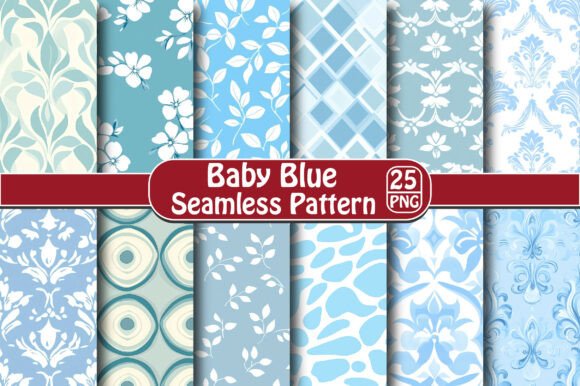
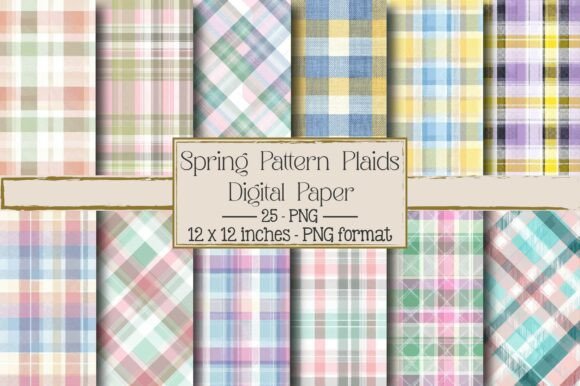
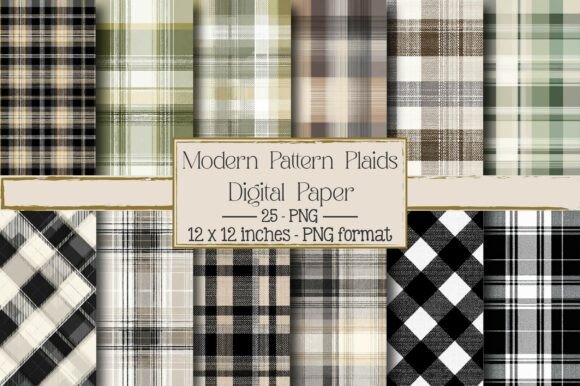
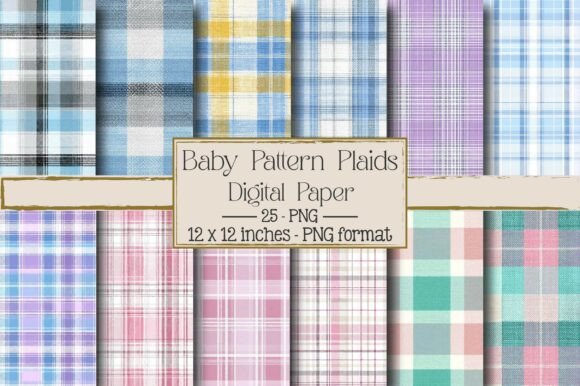
When it comes to adding a touch of charm and warmth to your creative projects, Baby Pattern Plaids is a go-to choice for many. These digital designs offer a cozy, nostalgic aesthetic with their soft textures and classic plaid patterns—perfect for a wide range of uses from apparel to home decor. With 25 high-quality PNG files available as an instant download, each at 300 dpi resolution on a 12×12 inch canvas and featuring a transparent background, you get everything you need to bring your ideas to life.
Why Choose Baby Pattern Plaids?
The appeal of Baby Pattern Plaids lies in its versatility and visual appeal. The distressed effect adds character, making these designs ideal for vintage-inspired or handmade-style creations. Whether you're printing stickers, customizing T-shirts, creating greeting cards, or working on wall art, these plaids can enhance the overall look with minimal effort.
Creators especially appreciate how easy they are to resize using common design software like Photoshop, Illustrator, or even free tools like Canva. This flexibility ensures that whether you're working on a small project like scrapbook elements or something larger like frame artwork, the quality remains intact thanks to the high-resolution format.
Common Mistakes When Using Baby Pattern Plaids
While Baby Pattern Plaids is a fantastic resource, some users make avoidable mistakes when choosing or applying these designs. Here are a few key points to consider:
- Overlooking color accuracy: Since these are digital files, the colors may appear differently on various devices or printers. Always preview your final print before committing to large batches.
- Not checking file compatibility: Although the files are in PNG format, not all software handles transparency the same way. Make sure your editing tool supports transparent backgrounds if that’s essential for your project.
- Ignoring sizing requirements: Even though the designs are scalable, improper resizing without maintaining the aspect ratio can lead to distortion. Use non-uniform scaling carefully and always test a sample print.
How These Mistakes Impact Your Work
Using Baby Pattern Plaids incorrectly can lead to subpar results. For instance, if you ignore color variations across devices, your printed stickers might end up looking duller or more vibrant than expected, which could affect customer satisfaction. Similarly, poor scaling can ruin the clarity of your design, especially if you're printing on physical items like T-shirts or wall art where detail matters.
Designers who neglect to verify file compatibility often face frustration during the editing phase. Imagine spending hours preparing a layout only to find that the plaid pattern doesn’t show up correctly due to a software limitation. That's why understanding your workflow tools is just as important as having great design assets.
Practical Tips to Get the Most Out of Baby Pattern Plaids
To ensure your projects turn out as intended, follow these best practices when using Baby Pattern Plaids:
- Test prints first: Before producing large quantities, print a small sample using the same printer and paper you plan to use. This helps catch any unexpected color shifts or alignment issues.
- Use the right software: Stick to programs that support high-resolution PNGs and transparency, such as Adobe Suite or GIMP. Avoid basic photo editors that may compress or alter the image unintentionally.
- Maintain resolution during resizing: If you’re enlarging the design beyond the original 12×12 inches, keep the resolution at 300 dpi to preserve sharpness. Some software allows you to lock the resolution setting while resizing.
- Layer wisely: Because of the transparent background, layering these plaids over other images or textures can create unique effects. Just be cautious about overlapping areas to maintain visual balance.
Real-World Applications and Better Approaches
Let’s say you're designing a line of baby-themed T-shirts for a boutique. You choose a cute plaid pattern from Baby Pattern Plaids and place it in the center of the shirt. But after printing, the plaid looks blurry around the edges. What went wrong? Likely, the design was scaled improperly or the printer settings weren't optimized for high-resolution files.
A better approach would be to first determine the exact size needed on the shirt, then scale the plaid design accordingly in your editing software while keeping the resolution intact. Always export the final file at 300 dpi before sending it to the printer.
Another example: You're making personalized baby shower cards and want to add a subtle plaid border. By using the transparent background feature, you can overlay the plaid seamlessly onto your card design. However, if you don’t adjust the opacity or blend mode, the plaid might dominate the layout instead of complementing it. A smart fix is to reduce the opacity slightly or use a soft light blending mode to let the underlying design shine through.
What to Check Before Downloading Baby Pattern Plaids
Before purchasing or downloading Baby Pattern Plaids, take a moment to review the following details to set yourself up for success:
- Intended use: Are you planning to print them physically or use them digitally? While these designs are perfect for printing, they also work well for digital marketing materials like social media graphics or website banners.
- Software capabilities: Ensure your design software can handle PNGs with transparency. Programs like Inkscape or Figma are excellent alternatives if you're not using Adobe products.
- Printer specs: If you're printing, confirm your printer supports high-resolution images (300 dpi). Lower-end printers may struggle with fine details in the distressed effect.
- License terms: Understand the usage rights included in the purchase. Is commercial use allowed? How many items can you print per design? Knowing this will help prevent legal hiccups later on.
Enhancing Creativity with Baby Pattern Plaids
Baby Pattern Plaids isn't just about the plaid itself—it's about what you can do with it. These designs can serve as backgrounds, overlays, or standalone motifs. Educators, for example, might use them to create engaging classroom posters with a warm, inviting feel. Entrepreneurs could integrate them into packaging for baby-related products, giving them a handcrafted appearance.
One effective strategy is combining multiple plaid patterns from the collection to create a collage. This layered approach can give your project a richer, more dynamic look. For those new to digital design, start by using one plaid pattern at a time to understand how it interacts with other elements before experimenting with combinations.
Maximizing Value Through Smart Usage
With 25 distinct designs in the Baby Pattern Plaids pack, it's easy to feel overwhelmed. To maximize value, categorize the plaids based on style—some may have bold lines while others are more delicate. This helps you quickly find the right match for your project without sifting through every file.
Also, consider how each plaid might perform in different lighting conditions. A dark plaid with a distressed look might stand out better on a light-colored T-shirt but could get lost on a darker background. Testing a few options on contrasting surfaces can save time and resources in the long run.
Final Thoughts on Choosing and Using Baby Pattern Plaids
Baby Pattern Plaids is a powerful asset for anyone involved in product design, crafting, or branding. Its high-resolution PNG format, transparent background, and distressed aesthetic make it adaptable for both digital and physical applications. However, to truly harness its potential, you need to approach it thoughtfully—considering color consistency, file handling, and printer readiness.
By avoiding common pitfalls and implementing practical strategies, you can elevate your projects with confidence. Whether you're a seasoned professional or a hobbyist trying something new, taking a moment to assess your needs and tools before diving in will lead to better outcomes and greater satisfaction with your final products.
Thank you for visiting me and exploring Baby Pattern Plaids. I hope this guide helps you make informed choices and enjoy the creative process!